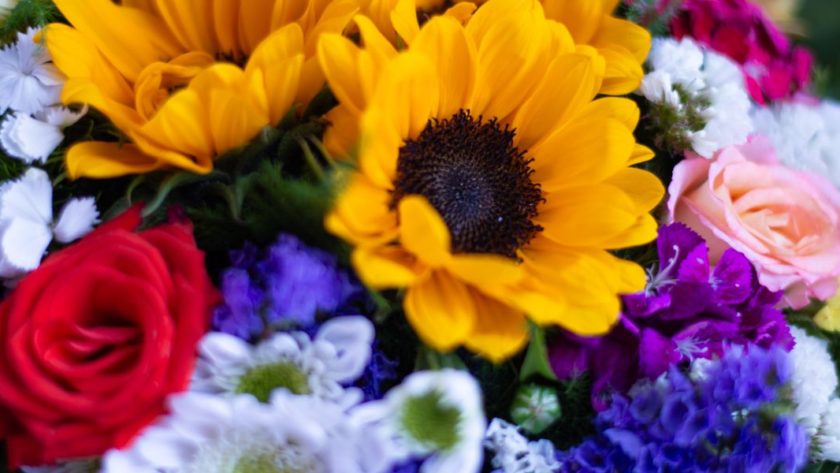
It’s no secret that in the UK we are a nation of flower lovers.
We give flowers on special occasions, from Mother’s Day to Valentine’s Day, and to say ‘thank you’, ‘congratulations’ and even ‘sorry’. But not all flowers were created equal, and there are some that are undeniably more popular than others – whether they are perennial favourites or currently in vogue on social media. Here, we bring you the definitive list of the 10 most popular flowers in the UK right now – just in case it helps inspire your next purchase.
The top 3 most popular flowers:
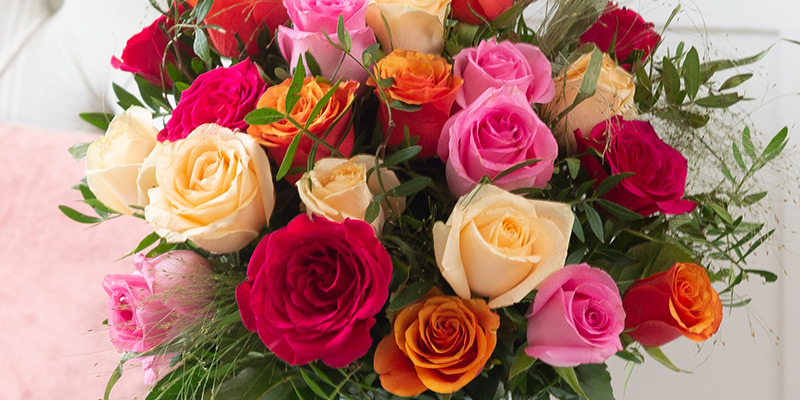
1. Roses
Roses are the most popular flowers in the UK, with 89 million posts tagged with “roses” or “rose” combined, and a UK market value of between £1.4 and 2 billion annually. It’s easy to understand why: instantly recognisable, even to somebody with no interest in flowers, they’re known to symbolise romantic love. In fact, 40 million are given every year on Valentine’s Day. Available in multiple colours, from red to pink to yellow to even black, they are also incredibly diverse too.
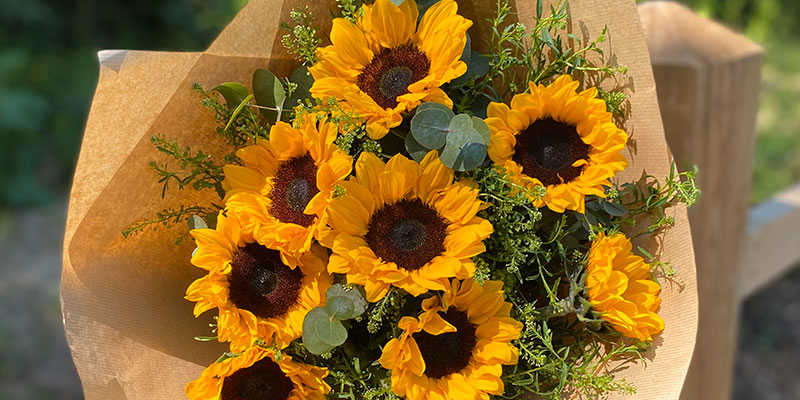
2. Sunflowers
The second most popular flower, according to social media anyway, is the sunflower. A seasonal favourite, they have become an Instagram stalwart, with influencers flocking to sunflower farms to pose amongst the tall, cheerful blooms every summer. This is almost certainly one of the reasons behind the popularity of the hashtags “sunflower” and “sunflowers”, which have a combined total of 15 million. Sunflowers are also thought to symbolise loyalty, faith and adoration, making them popular again as gifts.
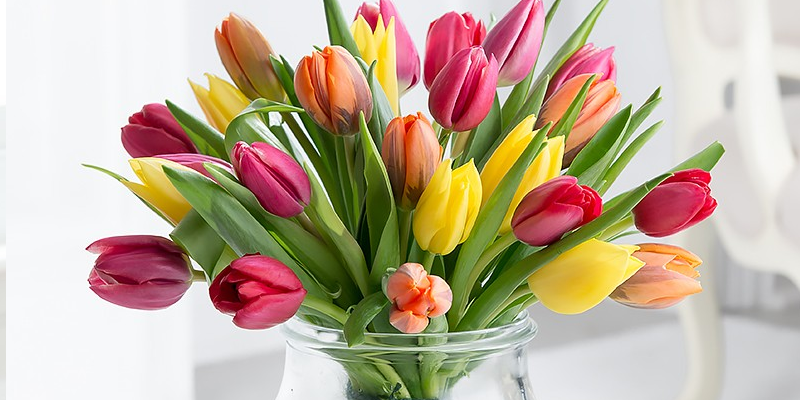
3. Tulips
Another seasonal favourite, tulips take over social media posts every spring, with their open petals and vibrant colours adding instant joy after the long cold winter. They are also the UK’s third most popular flower according to social media hashtags, with just shy of 14 million Instagram posts. Incredibly beautiful, and available in a vast array of different colours and patterns, it’s very easy to see why we love them so much. They are also symbolic of new beginnings – after all, they do grow in spring – making them a sweet gift too.
And the rest, in no specific order…
Peonies
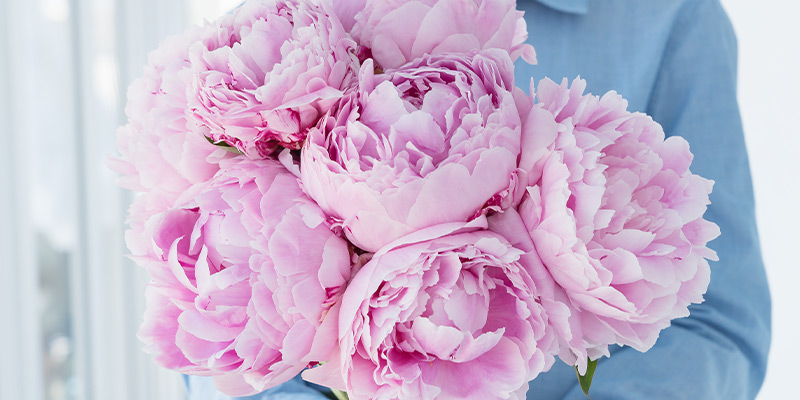
Peonies have become one of the trendiest flowers of the past few years, loved for their big, blousy petals. Another reason for their popularity is their briefness – they only bloom for a short season between April and June, which adds a certain scarcity appeal too. Often paired with other romantic looking flowers like roses or lilies, they really stand out in a bouquet, with tall stems that can reach up to 10 inches tall. On social media, there are a combined 5.2 million hashtags marked “peony” or “peonies”.
Lavender
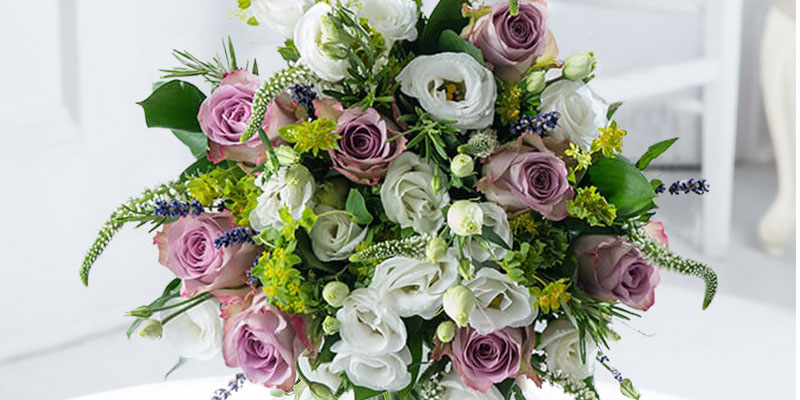
While we typically associate lavender with the South of France, where it is grown in abundance, it’s also – unsurprisingly – very popular here in the UK too. While social media stats are a little trickier to determine, thanks to the fact that it is also a colour, it’s definitely in the top five. Loved for its calming scent, lavender is often used in the garden, kitchen, bedroom and bathroom, and is thought to have sleep-inducing properties too.
Hydrangeas
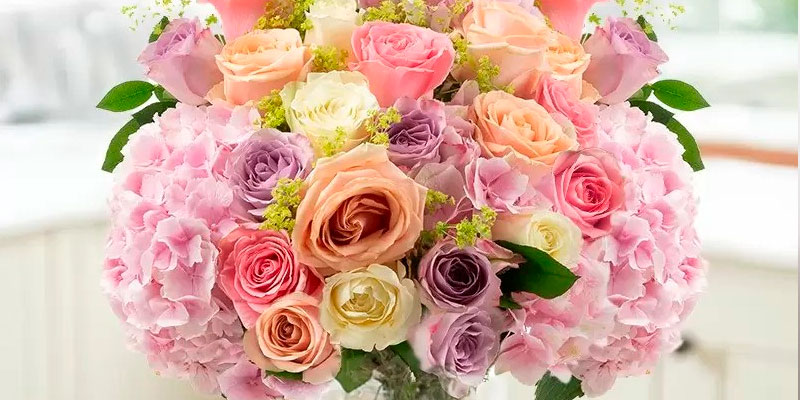
Hydrangeas are popular for lots of reasons, not least their hardiness. Indeed, hydrangeas, when taken care of, can last from spring all the way through to autumn, and reflower year after year. Known for their huge, globe-shaped flowers, and delicate multitude of petals, they come in pastel shades of lilac, blue, cream and pink. In fact, the different coloured petals are all a result of chemistry, and specifically, the acidity of the soil that they are in, with a pH of 5.5 producing blue blooms, between 5.5 and 6.5 yielding purple petals, and over 6.5 resulting in pink flowers. They are often given as a “thank you” present due to their association with gratitude.
Daisies
One of our most abundant flowers, daisies spring up seemingly anywhere and everywhere, with their delicate and pretty white petals and yellow centre. One reason for their continued popularity is that they are closely associated with childhood, used in games such as “he loves me, he loves me not,” and to make bracelets and necklaces, otherwise known as daisy chains. There is something that feels quintessentially English about daisies, probably due to their prominence in wildflower meadows and gardens alike.
Lilies
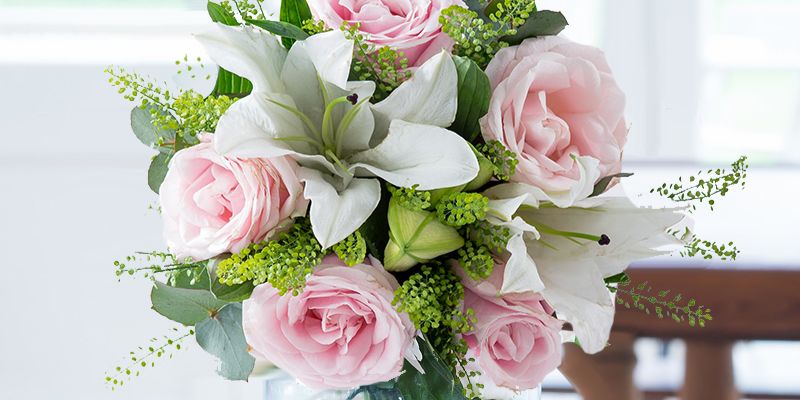
Elegant and refined, lilies are often associated with life’s milestone occasions, such as weddings or funerals. As well as being striking looking, with their six large petals and prominent stamens holding the pollen, they are also long-lasting, both of which make them an ideal gift. While we usually think of lilies as being white, they are actually available in an array of colours, patterns and shapes, including pink, orange and purple.
Orchids
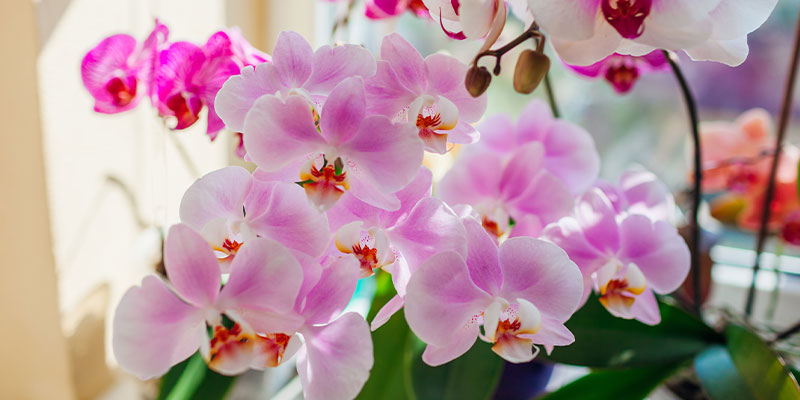
When they first became popular during the Victorian era, orchids were considered an exotic status symbol. Today however, thanks to mass cloning, orchids are far more affordable and widespread, making them a very popular choice, especially in the home. With proper care and attention, they can flower for up to three months, and reflower year after year too. Orchids are often given as gifts, usually because they represent luxury, beauty and strength, though each colour is thought to mean something slightly different, from vibrant pinks and purples to whites, yellows, reds and greens.
Daffodils
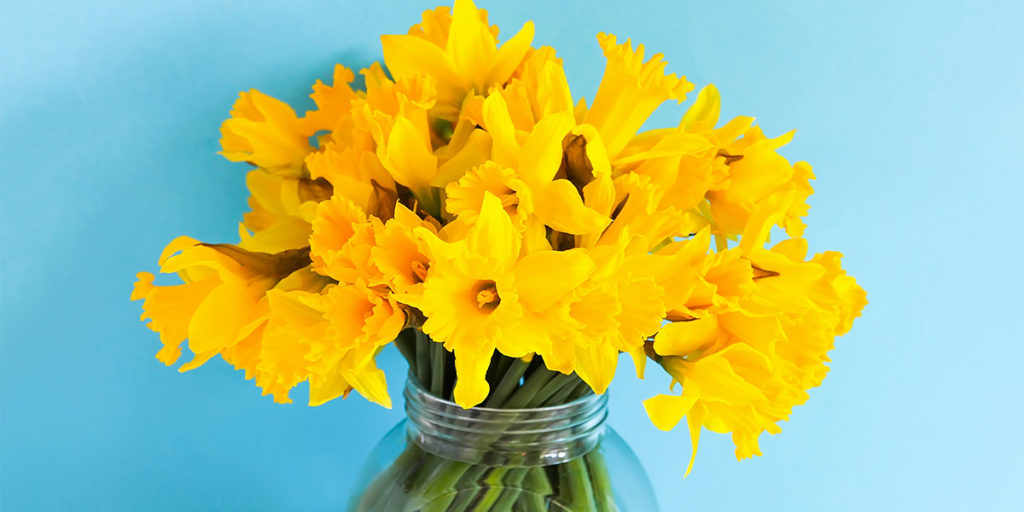
One of the most recognisable signs that spring has arrived, daffodils brighten up the landscape with their unique trumpet-like blooms. Their popularity is also linked to their symbolism, with daffodils traditionally representing hope, renewal and new beginnings. Easy to grow and returning year after year, they are a favourite among gardeners and flower lovers alike. Most commonly found in shades of yellow, daffodils can also be white, cream, orange and even soft pink, making them more diverse than many people realise.