
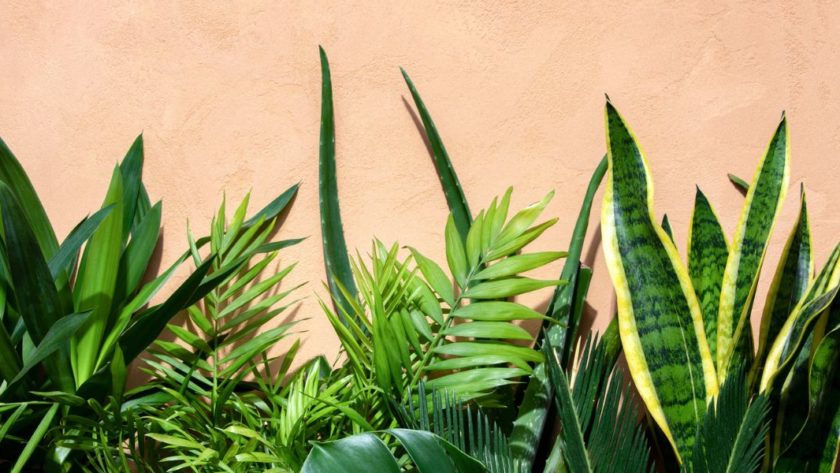
Plants not doing well? Find out the solutions for some of the most common house plant problems here!
Houseplants can not only transform a room, but they can also do wonders for our wellbeing, from boosting mood to purifying the air. Whether you’re a beginner or have been tending to an indoor jungle for years, you’ve likely been left puzzled by some of the most common houseplant problems at some point, from dropping leaves to leggy growth.
To help you master the art of houseplant care and spot when something’s not right, we’ve got the solutions to six common plant problems – so your indoor garden can thrive once again.
Yellowing Leaves
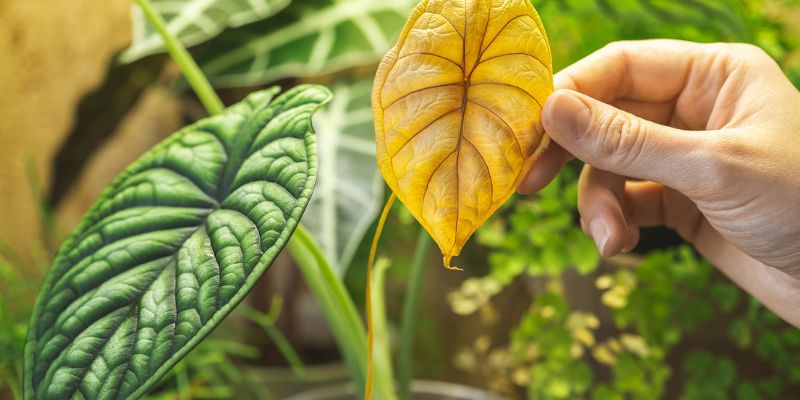
Noticed the leaves of your plant have started to turn yellow? Overwatering might be the culprit! While each plant will have a different water need, an easy way to keep your houseplant hydrated without doing so in excess, is to water when the soil feels dry to touch. Pro tip: Always ensure the water drains out of the pot’s drainage holes to prevent your plant from sitting in excess water.
Brown Leaf Tips
Another thing to keep an eye on: watch out for the tips of your plant leaves turning brown. This could be a sign that you are underwatering your plant or not watering it consistently. Try creating a routine to check on your plant regularly and water as needed.
If you’re already in a consistent watering schedule, brown leaf tips could indicate salt build-up in the soil. To fix this, give your plant a thorough watering to flush out the excess salt and repot with fresh potting mix. Trim off the brown edges if necessary, and be careful not to over-fertilise.
Pale Leaves
Pale leaves can indicate that your plant is getting too much light, which is easily solved by moving it out of direct sunlight to avoid the leaves getting burnt. Pale leaves can also be a sign of a nutrient deficiency, especially in essential nutrients like nitrogen, iron, or magnesium. A water-soluble fertiliser for houseplants can help to rectify. However, it’s worth noting, pale leaves could also indicate fertiliser burn, so if you’re using a lot of fertiliser, reduce the amount and monitor the impact.
Drooping Leaves
Just like yellowing leaves, plants that droop might be trying to tell you that they are thirsty and in need of more water. If the soil feels dry to the touch, it’s time to water. Drooping can also indicate that your plant isn’t getting enough light. If you’ve recently moved it to a new spot, give it time to adjust. However, if the drooping continues, try placing it closer to a light source and see if it perks up.
Stunted Growth
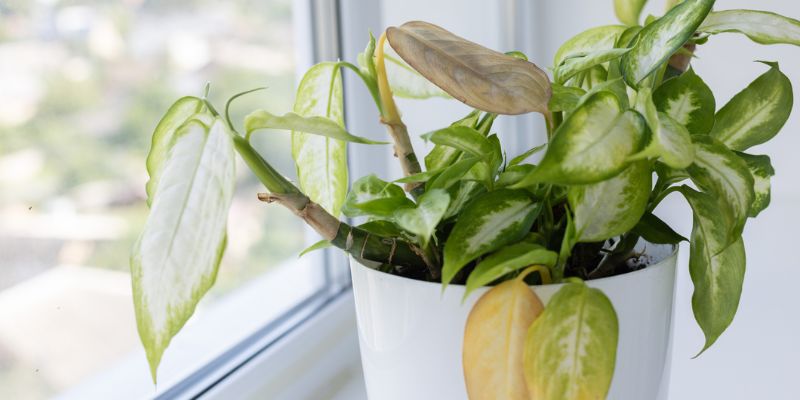
If your plant isn’t growing as you expect, it could indicate a number of things. Your houseplant may not be getting enough light, so try moving it to a brighter spot.
It might also indicate that the roots are overcrowded. Check the roots, and if this is the case try repotting into a bigger pot.
Stunted growth could signal a nutrient deficiency, which can be solved with fresh soil and repotting to give your plant a much-needed boost.
Leggy Growth
If your houseplant is getting leggy, or reaching out in one direction, it could be trying to tell you that it needs more light. Try moving your plant closer to a window, and rotate regularly so that all sides get roughly the same amount of time in the spotlight.